
Safe drinking water reaches families in rural Sri Lanka
In Liyanwala Pahalagama village in Sri Lanka’s Nuwara Eliya District, access to safe drinking water was once uncertain. For many families, collecting water meant long walks and lost time – time away from farms, households and children’s education.
Today, that daily burden has eased for more than 785 residents.
With funding from the Korea International Cooperation Agency (KOICA), UN-Habitat has established a gravity-fed community water supply system in the village, bringing treated, pipe-borne water directly to homes and public buildings.
For 55-year-old farmer Mr. Wimalarathna, the change is practical and immediate: “Thanks to this new water supply system, we don’t need to fetch water from far away anymore. This has given more time for us to focus on our home garden and our children’s education.”
From unreliable supply to safe water at home
Before the new system was built, the village relied on an outdated scheme plagued by siltation, structural damage, clogged filters and repeated system failures. The absence of a chlorination facility exposed residents to the risk of waterborne diseases, while frequent dredging and cleaning drove up maintenance costs.
The new system fixes the problems of the past by safely collecting, filtering and chlorinating water before it reaches homes. Built at two locations in the village, it ensures that the water people use every day is clean and reliable.
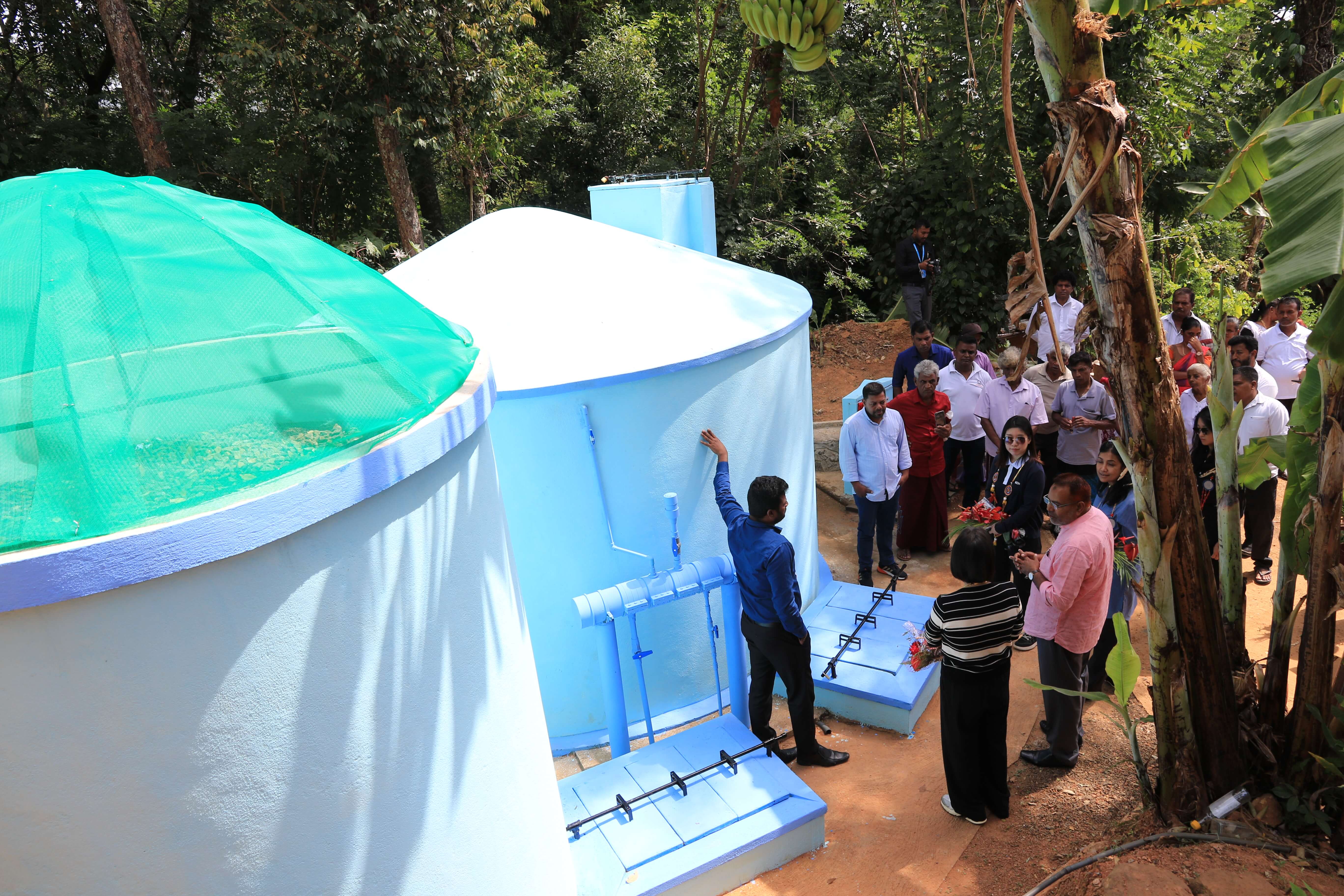
The community water supply system. © UN/Habitat/Charmalee Jayasinghe
Water connections with meters have been installed in 184 homes and five public buildings, including a school – ensuring that safe water is now available where it is most needed.
Beyond safer water, the new system eases daily routines, particularly for women and girls who traditionally collect water, giving them more time for education and income-generating activities.
Ms. R. A. Inoka Priyadarshani, Treasurer of the Community Water Supply Society, reflected on the significance of the new system: “I am proud that our gravity-fed spring water is now filtered and chlorinated, ensuring the health of my family – every drop we drink is safe and life-sustaining.”
Built by the community, for the community
The project was implemented through UN-Habitat’s participatory approach. Construction was undertaken by two Community Based Organizations – the Galliyadda Water Project Society and the Liyanwala Pahalagama Grama Sanwardana (village development) Society – in close collaboration with residents. The work was completed over one year and four months.
To safeguard the system’s long-term sustainability, a Water Safety Plan was developed in consultation with local stakeholders, including water users. The plan establishes water quality monitoring procedures, operational protocols, risk mitigation measures and tariff structures to support cost recovery and ongoing maintenance.
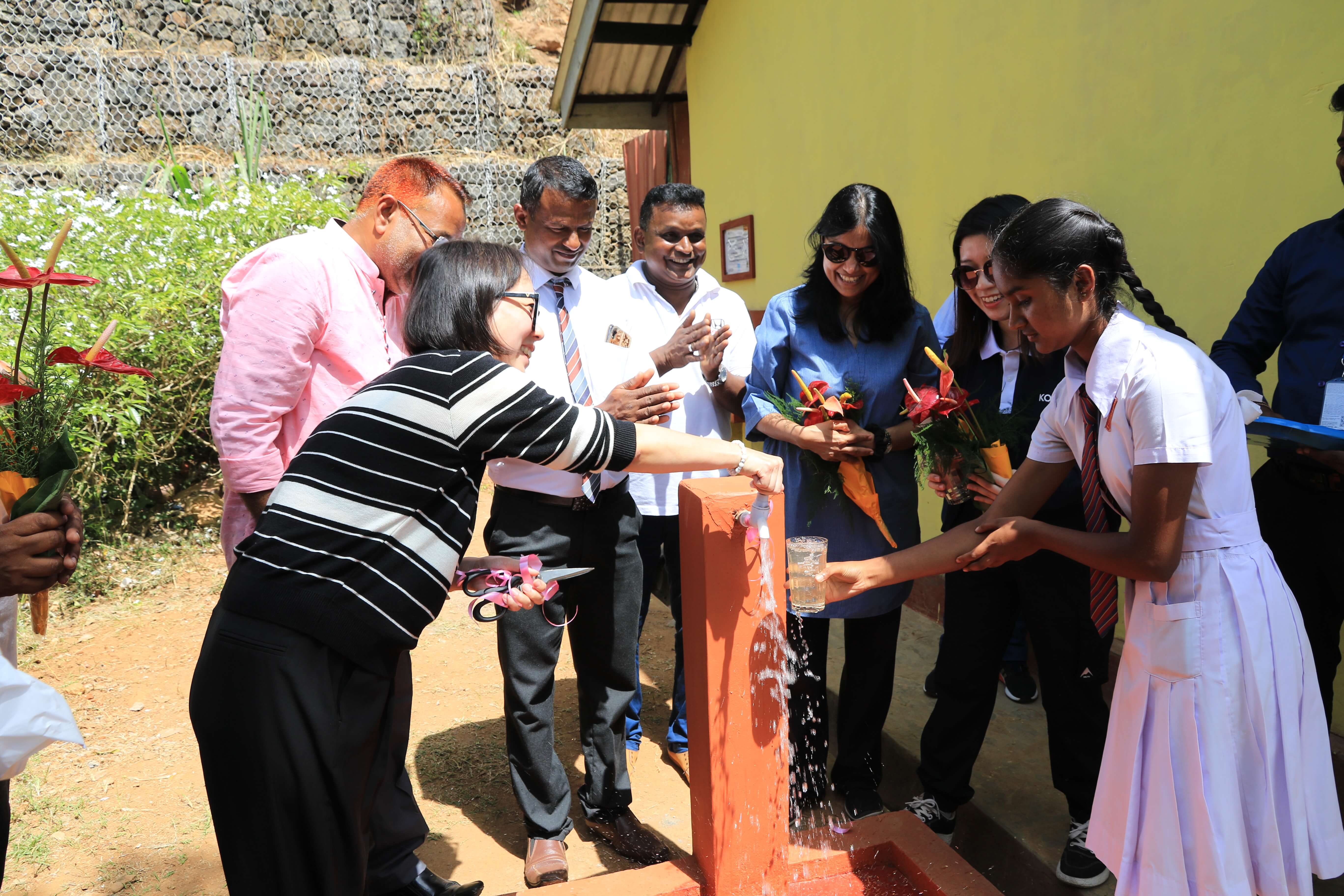
Hand over event. © UN/Habitat/Charmalee Jayasinghe
The Liyanwala Pahalagama scheme forms part of the USD 5.5 million KOICA-funded project, “Strengthening Socioeconomic Resilience of Communities Affected by the COVID-19 Pandemic in the Central and Uva Provinces of Sri Lanka,” implemented by UN-Habitat in the Nuwara Eliya and Badulla districts.
Across Nuwara Eliya District, 11 community water supply systems have now been established through this partnership – improving access to clean, reliable water for rural communities and strengthening their resilience for the future.
Cover photo: © UN/Habitat/Charmalee Jayasinghe
Legal Disclaimer:
EIN Presswire provides this news content "as is" without warranty of any kind. We do not accept any responsibility or liability for the accuracy, content, images, videos, licenses, completeness, legality, or reliability of the information contained in this article. If you have any complaints or copyright issues related to this article, kindly contact the author above.
